
Weekly Newsletter 08/04/2022
Greetings!
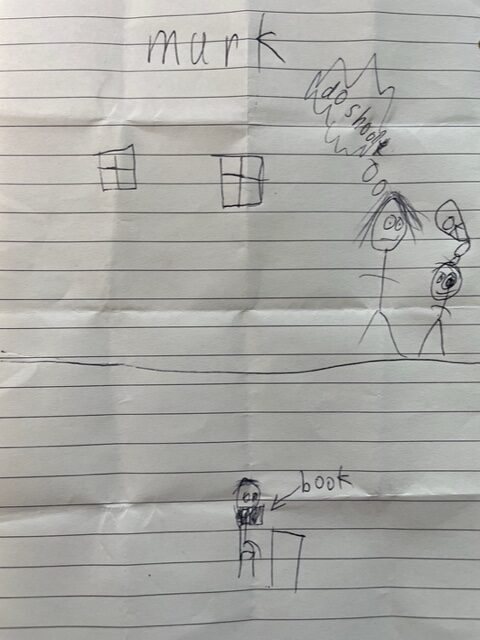
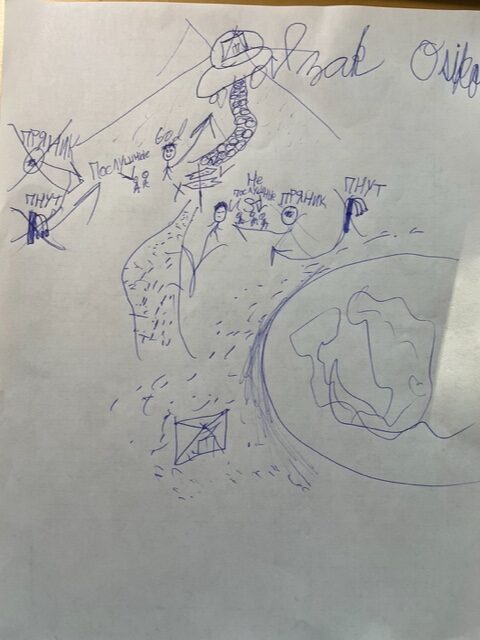
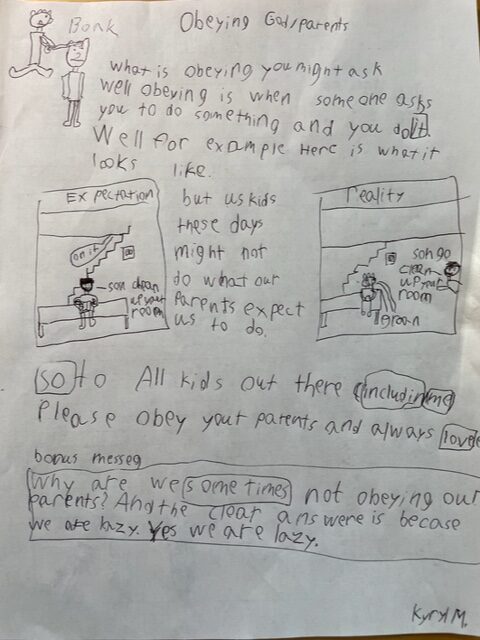
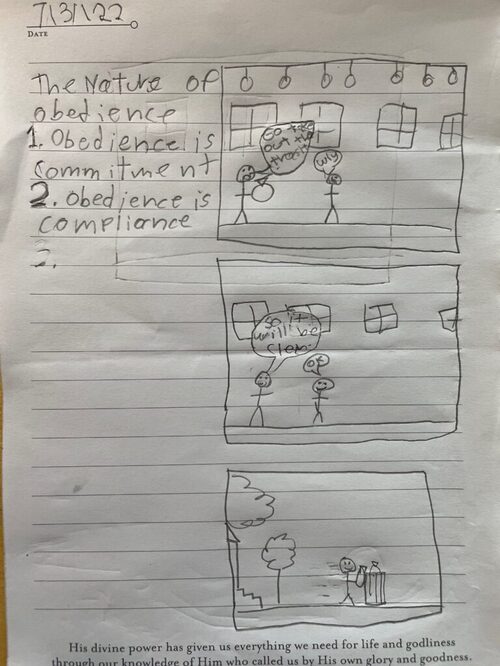
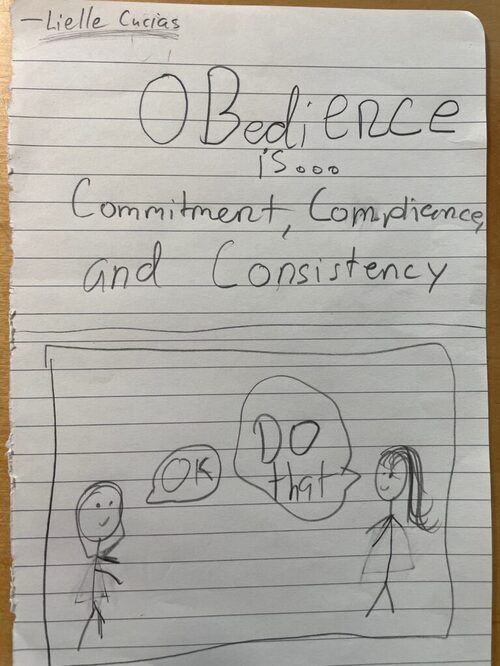
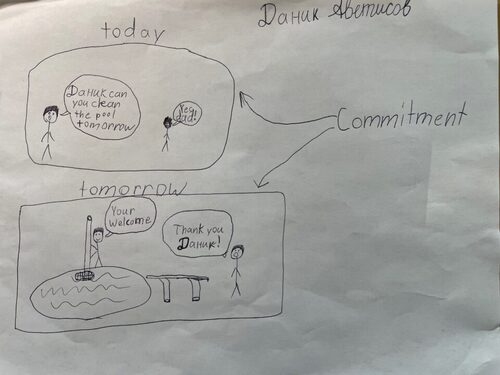
Further down in the letter you can view how kids listen to the Sunday sermons. These are just a few examples of what some kids heard and drew last Sunday. **Just no offense, but some moms in the drawings look like they just woke up?
The topic I want to discuss today is how we listen to sermons, and specifically how we take notes and write down what we hear.
This is an interesting topic because it deals with our understanding and grasping of biblical truths presented in sermons. Yes, we are all different; some people’s brains and memory work better through hearing and if they’ll be distracted by note-taking then they won’t remember as much. There are other ways of remembering sermons, for example, deep thinking or repeating of truths in the mind. But still, many people grasp more with some kind of visual help. For these, here are some practical tips:
1. Come prepared. Start a small notebook or journal where you can write. Bring a pen. If you use an electronic gadget, then be sure to charge it and turn off any notifications during the service.
2. Don’t try to write down everything that was said during the sermon. Writing everything down that is said will take your attention away from thinking about the sermon. Find the right balance where you write down the major thoughts and points by which you’ll be able to reconstruct the whole. Don’t forget to note that which directly applies to you and which is critical for your life right now.
3. Don’t miss the opportunity to write down the mentioned passages from Scripture. At home, during the week, you’ll be able to open these passages and study them deeper.
4. Try to summarize the whole sermon in one sentence. If you cannot do this then the sermon was not fully grasped or understood.
5. Try to prayerfully apply the sermon in your own life. What worries or difficulties does the sermon answer? What must you change in light of what you heard? Mark down one historical or interesting fact that stood out to you. Note down one or two questions that may have come up while you were listening so that you can study them deeper at home.
6. Try to draw a small sketch of what was presented in the sermon. Christ often used various illustrations from life. This is also observed in the instructions from Apostle Paul. We are visual people, and if we can illustrate something, then it means that we got the point.
7. Return to your notes at least once a week. Practicing this will help you be consistent and focused on the little things with great effectiveness.
Further down in the letter you can view how kids listen to the Sunday sermons. These are just a few examples of what some kids heard and drew last Sunday. **Just no offense, but some moms in the drawings look like they just woke up?
The topic I want to discuss today is how we listen to sermons, and specifically how we take notes and write down what we hear.
This is an interesting topic because it deals with our understanding and grasping of biblical truths presented in sermons. Yes, we are all different; some people’s brains and memory work better through hearing and if they’ll be distracted by note-taking then they won’t remember as much. There are other ways of remembering sermons, for example, deep thinking or repeating of truths in the mind. But still, many people grasp more with some kind of visual help. For these, here are some practical tips:
1. Come prepared. Start a small notebook or journal where you can write. Bring a pen. If you use an electronic gadget, then be sure to charge it and turn off any notifications during the service.
2. Don’t try to write down everything that was said during the sermon. Writing everything down that is said will take your attention away from thinking about the sermon. Find the right balance where you write down the major thoughts and points by which you’ll be able to reconstruct the whole. Don’t forget to note that which directly applies to you and which is critical for your life right now.
3. Don’t miss the opportunity to write down the mentioned passages from Scripture. At home, during the week, you’ll be able to open these passages and study them deeper.
4. Try to summarize the whole sermon in one sentence. If you cannot do this then the sermon was not fully grasped or understood.
5. Try to prayerfully apply the sermon in your own life. What worries or difficulties does the sermon answer? What must you change in light of what you heard? Mark down one historical or interesting fact that stood out to you. Note down one or two questions that may have come up while you were listening so that you can study them deeper at home.
6. Try to draw a small sketch of what was presented in the sermon. Christ often used various illustrations from life. This is also observed in the instructions from Apostle Paul. We are visual people, and if we can illustrate something, then it means that we got the point.
7. Return to your notes at least once a week. Practicing this will help you be consistent and focused on the little things with great effectiveness.
Announcements
Continue supporting the churches working among the people who have suffered from the war in Ukraine. Go to our Give page or click the Donate button below. Select "Mission to Ukraine" fund when donating.
Scripture To Memorize
14 Deliver me from bloodguiltiness, O God,
O God of my salvation,
and my tongue will sing aloud of your righteousness.
15 O Lord, open my lips,
and my mouth will declare your praise.
16 For you will not delight in sacrifice, or I would give it;
you will not be pleased with a burnt offering.
O God of my salvation,
and my tongue will sing aloud of your righteousness.
15 O Lord, open my lips,
and my mouth will declare your praise.
16 For you will not delight in sacrifice, or I would give it;
you will not be pleased with a burnt offering.
Upcoming Services and Meetings
Today, Thursday (7:00 PM) – Prayer service in cafeteria
Saturday (9:00 AM) – Women’s prayer breakfast (coffee corner)
Sunday Services
Saturday (9:00 AM) – Women’s prayer breakfast (coffee corner)
Sunday Services
- Worship Service in Russian at 9:00 AM
- Worship Service in English at 11:15 AM
Recent
Questions for Self-Examination
February 5th, 2026
Вопросы для самопроверки
February 5th, 2026
What Should We Do If Someone Interrupts a Worship Service?
January 28th, 2026
Что делать если собрание кто-то прерывает?
January 28th, 2026
Receiving New Church Members
January 21st, 2026
Прием новых членов церкви
January 21st, 2026
The Value of Prayer Meetings
January 15th, 2026
Ценность молитвенных собраний
January 15th, 2026
Prayer Retreat for GFC Staff and Volunteers
January 8th, 2026
Молитвенный ретрит сотрудников и волонтеров GFC
January 8th, 2026
Archive
2026
January
Молитвенный ретрит сотрудников и волонтеров GFCPrayer Retreat for GFC Staff and VolunteersЦенность молитвенных собранийThe Value of Prayer MeetingsПрием новых членов церквиReceiving New Church MembersЧто делать если собрание кто-то прерывает?What Should We Do If Someone Interrupts a Worship Service?
2025
January
February
March
April
May
Who Is Responsible for the Growth of Our Faith?Кто отвечает за рост нашей веры?On priorities and busynessО приоритетах и загруженностиNews from children and music ministriesНовости детского и музыкального служенийThe final day of Kids Bible SchoolЗаключительный день Детской Библейской ШколыПочему мы молимся о VBS?Why do we pray for VBS?
June
July
August
September
October
Необходимость духовного роста пастырейThe Necessity of Spiritual Growth for PastorsЧто делают пастыри и как?What Do Pastors Do and How?Что делают пастыри и как? (2 Часть)What Do Pastors Do and How? (Part 2)What Do Pastors Do and How? (Part 3)Что делают пастыри и как? (3 Часть)Что делают пастыри и как? (4 Часть) What Do Pastors Do and How? (Part 4)